

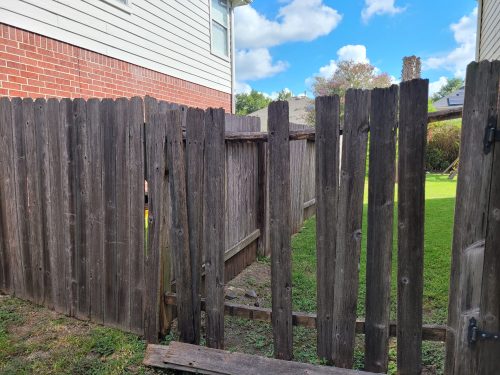
When it comes to building a wooden fence, selecting the right materials to secure your wood pickets is crucial for ensuring both durability and aesthetics. A fence made from high-quality materials not only enhances the overall appearance of your property but also provides lasting strength against weather conditions and wear. In this guide, we’ll discuss the best materials you can use to fasten your wood pickets and what factors you should consider in making the right choice for your project.
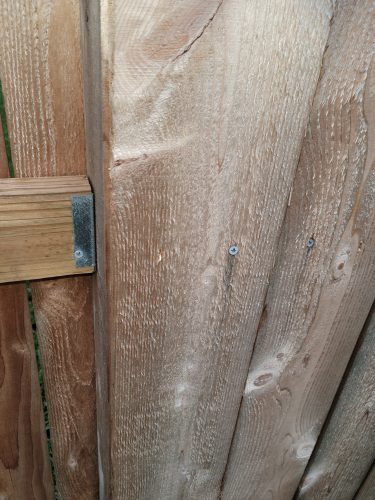
1. Nails vs. Screws: What’s the Difference?
When it comes to fixing wood pickets to the horizontal rails of your fence, nails and screws are the two most common choices. Both have their pros and cons, so understanding the differences can help you make a more informed decision.
- Nails: Nails are often faster to install than screws and can be a good option if you’re building a fence on a tight budget or want a more traditional look. Galvanized nails are ideal because they resist rusting and are durable in outdoor conditions.
- Pros: Quick to install, cost-effective, widely available.
- Cons: May loosen over time, especially if the wood shifts or settles.
- Screws: Screws provide a stronger and more secure hold than nails. They are less likely to loosen over time, making them a better option for fences that need to withstand harsher conditions or heavy winds.
- Pros: Stronger hold, better resistance to loosening, easier to remove for repairs or modifications.
- Cons: More time-consuming to install, generally more expensive than nails.

2. Galvanized Steel Nails or Screws: A Must-Have for Outdoor Durability
When choosing nails or screws for your wood picket fence, one important consideration is rust resistance. Wood, especially when exposed to moisture, can be prone to rotting over time, and rusted fasteners can compromise the integrity of your fence. This is why galvanized steel or stainless steel fasteners are the best choice for any outdoor fence project.
- Galvanized Steel: Galvanization involves coating steel with a layer of zinc, making it highly resistant to rust. This is ideal for regions with high humidity or areas that experience frequent rainfall.
- Stainless Steel: Stainless steel offers even better resistance to corrosion and is the top choice if you’re looking for a premium material that will last for decades without rusting or staining.
3. Wood Screws vs. Decking Screws
If you’re going for a more secure, long-lasting fix, you may want to consider specialty screws like wood screws or decking screws. These screws are designed specifically for wood and are typically coated to resist corrosion. Decking screws often have a self-drilling tip that makes installation easier, as they don’t require pilot holes.
- Wood Screws: These screws are made for general wood applications and are great for fences where aesthetics are also important. They often have flat heads, providing a clean finish when installed.
- Decking Screws: Often used in outdoor decking, these screws are specially designed for exposure to the elements. They are resistant to rust and offer more holding power than regular wood screws.
4. Staples: A Quick and Cheap Solution (But Not Always the Best)
In some cases, especially for temporary or less permanent fencing solutions, staples can be used to secure wood pickets to the rails. While they are inexpensive and quick to install, staples are generally not as durable as nails or screws. Over time, staples may loosen and fail, especially if the fence is subjected to high winds or heavy use. For long-term fencing, staples should be avoided.
5. Clips and Brackets for Extra Strength
For added reinforcement, clips and brackets can be used to secure wood pickets to the horizontal rails. These metal fasteners are great for situations where you need additional strength, such as with taller fences or fences in areas with strong winds. Clips and brackets also provide a clean and modern look that can complement contemporary fence designs.
- L-Brackets: These can be used to strengthen the corners where the pickets meet the horizontal rails.
- Fence Clips: Specially designed to securely hold the pickets in place without the need for nails or screws, giving the fence a clean, almost seamless appearance.
6. Wood Glue: An Optional Add-On
While wood glue is not a replacement for mechanical fasteners like nails or screws, it can be used in conjunction with these materials to provide extra holding power. Wood glue can help prevent wood movement and cracking and can also serve as an adhesive for reinforcing joints. Just make sure you choose an outdoor-rated wood glue that’s waterproof to withstand the elements.
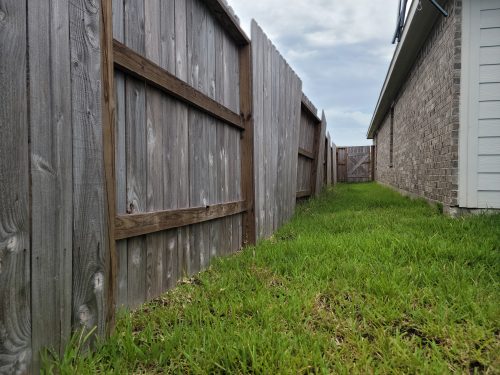
7. Other Considerations for Fixing Wood Pickets
When selecting materials to fix wood pickets, consider these additional factors:
- Climate: If you live in a coastal or humid region, you’ll need materials that are resistant to corrosion and rust, such as stainless steel or specially coated screws.
- Fence Type: For decorative fences, you may want to consider fasteners that are less visible, such as screws with decorative caps, or clips that hide the hardware entirely.
- Longevity: If you want a long-lasting, low-maintenance fence, investing in high-quality fasteners like stainless steel screws will save you money and time on repairs in the future.
Conclusion: Invest in Quality for Long-Lasting Results
When it comes to securing wood pickets, the choice of materials will significantly impact both the longevity and appearance of your fence. While nails and screws are common options, choosing the right fasteners, like galvanized or stainless steel, is essential for protecting your fence from the elements. Whether you opt for screws, nails, or clips, always consider the climate, fence design, and how much time you want to spend on maintenance. By investing in high-quality materials today, you’ll enjoy a sturdy, beautiful fence that lasts for many years to come.
Discover more from Cheaper Fence
Subscribe to get the latest posts sent to your email.

