

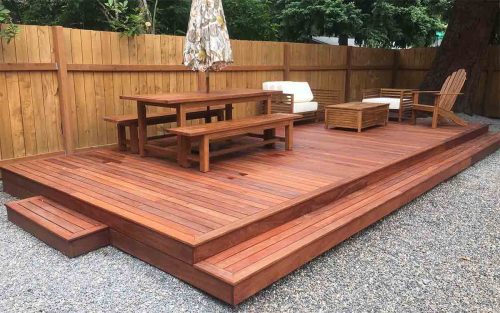
When it comes to living in Texas, one aspect of life that stands out is the tradition of “Good Neighbor Fences.” These fences not only serve as physical boundaries between properties but also symbolize the values of respect, community, and cooperation among neighbors. In Texas, the law generally considers a fence built directly on a property line to be owned by both parties in equal shares, unless there is a written agreement stating otherwise. It’s advisable to have open and respectful discussions with your neighbor to determine who owns the fence and maintenance and repair responsibilities for the shared fence.

The History
The concept of Good Neighbor Fences has deep roots in Texas history. Traditionally built with sturdy materials like cedar or metal, these fences were erected not just for practical reasons but also to foster positive relationships between neighbors. It was believed that a well-maintained fence could enhance the beauty of the land while also serving as a testament to the spirit of cooperation among neighbors.
The concept of shared fence ownership centers around the idea that adjoining neighbors each hold responsibility for the maintenance and upkeep of the fence dividing their properties. This mutual “good neighbor” fence is built along a shared property line, and its ownership can also be shared, with both parties being responsible for its care. In some states, the laws dictate that adjoining landowners have equal rights and obligations when it comes to the common boundary fence, sharing costs for construction, repair, or replacement.
This division of responsibility often extends to repairs, modifications, and liabilities related to the fence. It’s akin to a joint venture in preserving the boundary structure. This arrangement aims to protect the interests of both parties while promoting an amicable relationship between neighbors.
In some jurisdictions, there are legal provisions prescribing that both neighbors equally use and maintain a dividing fence. This calls for shared expenses for maintaining the common boundary fence. However, individual state laws can have variations when it comes to determining the extent of cost-sharing between adjacent property owners.
For instance, in California, if one neighbor decides to build a good neighbor fence without consulting the other party and strictly along the property line, they can send a notice requiring payment from the adjoining landowner for half of what was spent on the common border structure.
It’s vital for both parties to understand their rights and obligations under these laws as disputes may arise regarding costs incurred or property improvements affecting the shared fence.
Exploring Property Lines and Who Owns the Fence

Imagine your property as a puzzle piece in a much larger jigsaw. In order for that puzzle piece to fit seamlessly, you need to understand the exact borders of that piece. Well, in the real world, your property lines are those borders, defining where your property ends and your neighbor’s begins.
Property deeds are crucial documents that specify the boundaries of your property. They provide details about its legal description, including precise measurements that establish its limits. However, these descriptions can sometimes be unclear or based on outdated information.
This is where land surveys come into play. An accurate land survey delineates the exact boundaries of your property, mapping out the dimensions and highlighting any potential encroachments. By obtaining a survey, homeowners can prevent potential disputes with neighbors over unclear boundary lines. It provides clarity and peace of mind by serving as an official record of property boundaries.
Furthermore, local zoning laws can also impact property lines. These laws regulate land use and often include regulations regarding fence height, setback requirements, and materials allowed for construction. It’s important to familiarize yourself with these regulations to ensure compliance when installing a fence.
For instance, if local zoning laws stipulate that fences must be set back a certain distance from the property line, violating these regulations could lead to legal issues. Therefore, understanding these laws and abiding by them is essential for maintaining peaceful relationships with neighbors and avoiding potential legal ramifications.
So, what can you do as a responsible homeowner? Encourage all homeowners to obtain a survey when purchasing a property or before installing a fence. This proactive measure can prevent future disputes and provide clarity regarding property boundaries and who owns the fence.
Impact of Homeowner Associations on Fence Ownership
When it comes to your neighborhood, homeowner associations (HOAs) act as referees. They help maintain a certain level of harmony and uniformity by setting rules and guidelines for things like the height, materials, and design of fences. This means that when you want to put up a new fence or make changes to an existing one, you might need to obtain their approval first.
HOA Rules and Regulations: These rules can vary widely from one association to another. For example, some HOAs have strict guidelines about the color and style of fences, while others have more relaxed regulations. Some may even require you to obtain a permit before making any modifications to your fence.
Communicating with Your HOA: The key here is communication. It’s crucial to reach out to your HOA before making any decisions related to your fence. Ask for a copy of the guidelines regarding fences so that you’re crystal clear about what’s allowed and what’s not. This will save you from any costly misunderstandings down the line.
Some might see these regulations as intrusive, but they are there for a reason—to maintain the overall appearance and property value of the neighborhood. Uniformity in fencing helps keep everything looking neat and well-maintained.
Preserving Harmony: Think of it like this: if every house had a completely different type of fence—some wooden, some metal, some brick—it would create a chaotic mishmash that could detract from the overall appeal of the area.
Imagine looking at a row of houses where each fence was a different color or material. Instead of a coherent street view, it might come off as disjointed and unattractive.
So, understanding these rules from your HOA is essential for maintaining good relations with your neighbors and ensuring that your fencing decisions align with the neighborhood’s aesthetic. Remember, when it comes to fences, working within the guidelines set forth by your homeowner association helps maintain harmony in your community.
Navigating through the intricate dynamics of homeowner associations provides valuable insights into fostering positive community relations and ensuring legal compliance with property enhancements such as fences.
Legal Rights and Obligations
While establishing a shared ownership agreement with clear documentation is not mandatory in all states, it is highly advisable. Having a written agreement detailing maintenance responsibilities, repair procedures, and understanding who holds what interest in the common boundary fence can help avoid conflicts or misunderstandings in the future. This is especially important because property lines can sometimes be disputed.
CheaperFence’s recommendation is that before erecting or repairing any fences that are to be shared between properties, consult local legal experts or a surveyor who can provide clarity on local regulations.
Building Bonds

In a time where fences are often seen as barriers, Good Neighbor Fences in Texas have a different connotation. They are seen as bridges that connect neighbors, rather than divide them. The act of maintaining a Good Neighbor Fence requires communication and mutual respect, reinforcing the bond between neighbors. From sharing the cost of repairs to exchanging tips on fence maintenance, these fences have the power to bring communities closer together.
When it comes to our shared fence, positive communication, cooperation, and mutual agreement can often prevent disputes from arising between neighbors.
Open Communication: It’s easier for both parties to discuss any maintenance or repair needs when everyone knows early on. Consider having a friendly chat first before making decisions about the fence without talking to your neighbor. This simple act can set a positive tone for collaboration and understanding.
Cooperation: Teamwork is key! When repairs are needed, openly discuss the options and see if you can reach an agreement together. Sharing the cost or effort of maintaining a fence can strengthen neighborly bonds.
Mutual Agreement: Agreeing on who owns the fence, who is responsible for its care, and how any costs involved will be shared are key points for discussion. Getting this sorted early on can prevent misunderstandings later, saving both time and money.
Modern Interpretation
In today’s fast-paced world, the tradition of Good Neighbor Fences is more relevant than ever. As neighborhoods grow and change, having a strong connection with the people next door can bring a sense of security and belonging. Whether it’s lending a helping hand during fence repairs or simply exchanging friendly greetings over the fence, the spirit of good neighborliness endures.
A good relationship with our neighbors can make dealing with fence issues feel more like finding solutions with friends rather than engaging in complicated legal battles. It not only saves us time and money but also fosters a sense of community and understanding.
An old proverb says “Good fences make good neighbors,” but we’d argue that good communication, cooperation, and mutual agreement make even better ones.
Reaching agreements early with open communication can prevent headaches later.
Variations in State Laws on Fence Ownership
While it’s important to understand general guidelines regarding fence ownership and responsibilities, it’s equally crucial to recognize that specific state laws can significantly impact these matters. State laws influence various aspects related to fences, including maintenance responsibilities, cost sharing, aesthetic standards, and resolution options for disputes.
For instance, some states may have laws that clearly define which neighbor is responsible for maintaining and repairing a boundary fence. In contrast, others might not provide specific guidelines, potentially leading to disagreements between property owners. Moreover, certain states may regulate the division of costs for building or repairing a fence between adjoining property owners. This can vary widely and directly impact the financial burden placed on each party involved.
Additionally, aesthetic standards for fences can diverge across states. Regulations governing the height, material, and appearance of fences may vary significantly from one location to another. Compliance with these standards can influence the design and construction of a fence, making it essential for homeowners to be well-versed in their local regulations before undertaking any fencing projects. Such knowledge could prevent legal complications and unnecessary expenses resulting from noncompliance.
Understanding local regulations is also crucial when it comes to resolving disputes related to fences. Different states may offer distinct legal mechanisms for addressing conflicts between neighbors concerning fences. These mechanisms could include mediation services, small claims court procedures, or other dispute resolution options prescribed by state law. By being aware of these provisions and seeking legal advice when necessary, homeowners can ensure they are prepared to handle any potential conflicts effectively.
In summary, the significance of comprehending specific state laws on fence ownership cannot be overstated. These laws directly influence many fundamental aspects of owning and maintaining a fence. Therefore, homeowners should prioritize researching local regulations and seeking legal advice to gain a comprehensive understanding of their rights and responsibilities in matters pertaining to fence ownership.
Understanding the laws about fence ownership is key to maintaining positive relationships with your neighbors when it comes to property boundaries.

Navigating Fence Disputes: From Surveys to Legal Advice
Fence disputes can be emotionally taxing and escalate if not handled properly. Our good neighbors aren’t always on the same page as us, which is why maintaining open lines of communication is crucial when disagreements arise. It’s important to approach the situation calmly and openly, with the goal of finding a resolution that works for both parties.
If you find yourself in a disagreement with your neighbor about the fence, one of the first steps you should consider taking is getting a professional land survey done. This can help resolve property line disagreements by providing clear, unbiased evidence about where the property boundaries truly lie. It could very well be that the issue at hand stems from a misunderstanding about where the property lines are, making the survey an invaluable tool for making informed decisions and clarifying any discrepancies.
A land survey is conducted by a professional surveyor who specializes in determining property boundaries and creating accurate maps. They use multiple sources of information, including historical records, deeds, physical measurements, and other data to establish the exact location of property lines and corners. Having a comprehensive understanding of your property lines can pave the way for informed decision-making when it comes to fence-related conflicts and understanding who owns the fence.
If open communication and a land survey do not yield a resolution, seeking legal advice might become necessary. However, it’s important to understand that pursuing legal intervention is often a last-resort option due to its potential for time-consuming and costly proceedings. Taking legal action should only be considered when all other attempts at resolving the dispute have been exhausted, as it can strain relationships, consume resources, and lead to prolonged stress.
It’s essential to keep in mind that legal proceedings come with no guarantee of an outcome in your favor. Weighing the benefits against the potential costs—both financial and emotional—is paramount before making the decision to pursue legal action.
By navigating fence disputes with patience, open communication, and leveraging professional resources like land surveys when needed, you can approach these challenging situations with clarity and foresight, aiming for an amicable resolution while mitigating unnecessary strain on neighborly relationships.
Conclusion: Good fences make good neighbors
In Texas, the tradition of Good Neighbor Fences is more than just a practical boundary marker – it is a symbol of unity and cooperation among neighbors. By upholding this tradition, CheaperFence not only celebrates our shared history but also pave the way for a stronger sense of community in the future. So, let’s raise a toast to the Good Neighbor Fences that stand tall in Texas, reminding us of the value of friendship, respect, and unity.
Discover more from CheaperFence
Subscribe to get the latest posts sent to your email.

