

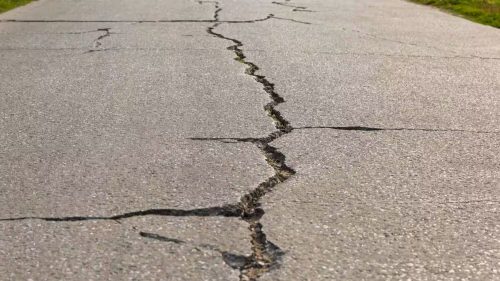
Concrete resurfacing is an excellent way to restore old, worn-out driveways, patios, or walkways without the cost and hassle of complete replacement. Whether you’re looking to add curb appeal or repair a cracked surface, resurfacing can breathe new life into your concrete features. If you’re based in Houston, you may be wondering: How much does concrete resurfacing cost, and what does the process involve?
In this blog, we’ll walk you through the pricing, steps involved in the resurfacing process, and the materials used to ensure a durable, long-lasting finish.
How Much Does Concrete Resurfacing Cost in Houston?
The cost of concrete resurfacing in Houston can vary depending on several factors:
- Size of the area: Larger driveways, patios, or walkways will naturally cost more due to the increased material and labor needed.
- Condition of the existing concrete: If your concrete is severely cracked or uneven, it may require more preparation or leveling, which can increase the cost.
- Type of finish: Basic resurfacing (smooth texture) is more affordable than decorative options like stamped, stained, or textured finishes.
On average, the cost of concrete resurfacing in Houston typically falls between:
- $3 to $5 per square foot for basic resurfacing with a smooth or lightly textured finish.
- $5 to $10 per square foot for decorative resurfacing (e.g., stamped patterns, coloring, or faux stone).
- $7 to $12 per square foot for higher-end finishes such as epoxy coatings or custom textures.
For example, resurfacing a 500-square-foot driveway may cost anywhere from $1,500 to $5,000, depending on the materials and finish you choose.
Construction Steps for Concrete Resurfacing
Here’s a step-by-step breakdown of the concrete resurfacing process:
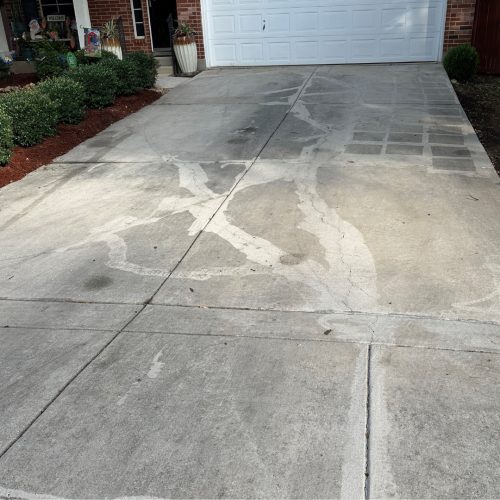
1. Surface Preparation
Before any resurfacing work begins, the existing concrete needs to be properly prepared to ensure good adhesion of the new surface. This process includes:
- Cleaning the surface: Any dirt, oil, or debris is removed from the concrete using a power washer or a cleaning solution.
- Repairs: Cracks, holes, and chips in the concrete are filled with a special concrete patching compound. Larger holes or cracks may need to be patched with a thicker repair mix.
2. Surface Etching
If the concrete is smooth and shiny, the surface may need to be etched (roughened) to improve bonding. This is done using an acid solution or a mechanical grinder.
3. Application of Primer
A bonding primer is applied to the surface to ensure the new resurfacing material adheres properly to the old concrete. The primer is left to dry for a few hours before proceeding.
4. Mixing and Applying the Resurfacer
The resurfacer material is then mixed, typically consisting of a combination of polymer-modified cement, sand, and other additives. The application method depends on the type of resurfacer used:
- Thin overlay: For basic resurfacing, a thin layer of material is spread evenly over the existing concrete using a squeegee, broom, or trowel.
- Stamped or decorative finishes: For more intricate designs, the resurfacing material is applied, and then special stamps or stencils are used to create the desired pattern.
5. Finishing
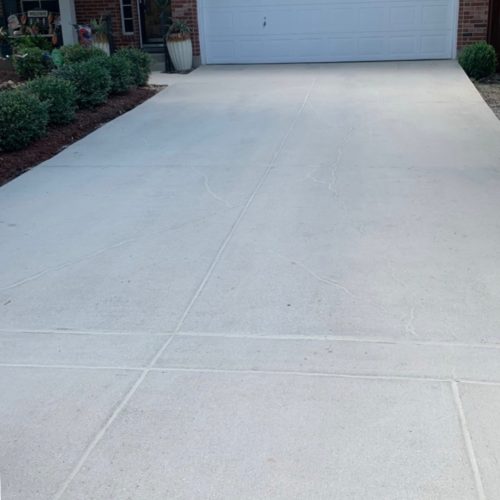
After the resurfacer is applied, it’s smoothed or textured according to the design. If coloring is part of the project, pigments are applied either to the surface or mixed directly into the resurfacer.
6. Curing and Sealing
Finally, the resurfaced surface is left to cure for a period of time (usually 24 to 48 hours) before traffic is allowed. A sealant is often applied afterward to protect the surface from stains, water, and weather damage.
Material Selection for Concrete Resurfacing
Selecting the right materials for your concrete resurfacing project is crucial to ensure durability, appearance, and longevity. Here are the most common material options:
1. Polymer-Modified Cement
Polymer-modified cement is the most commonly used material for concrete resurfacing. It’s a mix of traditional cement, polymers, sand, and other additives that improve adhesion, flexibility, and durability. This material is ideal for general resurfacing and can be applied with a variety of textures and finishes.
2. Stamped Concrete Overlay
For homeowners looking for a more decorative finish, stamped overlays are an excellent option. These overlays replicate the appearance of stone, brick, or other materials. They’re applied in a similar way to regular resurfacing, but special stamps and molds are used to create intricate patterns and textures.
3. Epoxy Coatings
Epoxy coatings are typically used for interior floors or areas with heavy foot traffic. They create a glossy, durable surface resistant to stains, chemicals, and wear. While not as common for driveways, epoxy coatings can be a great choice for garages or patios.

4. Microtopping
A microtopping is a thin, high-strength material applied to the surface to create a smooth, modern look. Microtoppings are often used for decorative and residential applications, providing a sleek, polished finish that can be customized with various colors and patterns.
Application Tips for Concrete Resurfacing
- Proper Timing: Ensure that the weather conditions are ideal for resurfacing. Avoid working on the concrete in extreme heat, rain, or freezing temperatures.
- Sealing: After resurfacing, always apply a concrete sealant to protect the surface from weather damage and wear.
- Maintenance: To extend the life of your resurfaced driveway or patio, keep it clean and sealed regularly. Avoid using harsh chemicals or abrasive cleaning methods.
Conclusion
Concrete resurfacing in Houston is an affordable and efficient way to restore old concrete surfaces. Whether you need to repair cracks, improve the appearance, or create a completely new look, resurfacing provides a great solution. By choosing the right materials, contractors, and finishes, you can enhance the curb appeal and longevity of your driveway, patio, or walkway.
If you’re ready to explore concrete resurfacing for your property, don’t hesitate to contact a professional in Houston to get a detailed estimate based on your specific needs and preferences.
Discover more from CheaperFence
Subscribe to get the latest posts sent to your email.

