

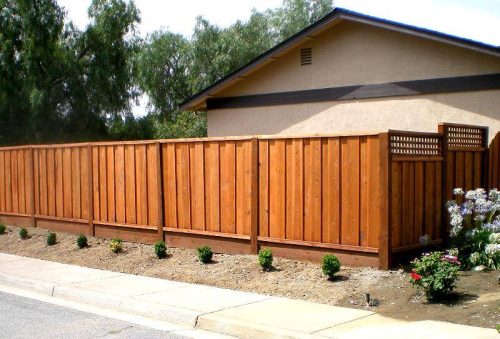
Building a fence adds beauty, privacy, and security to your property. But with so many fencing materials available, choosing the right wood can be tricky. Two popular options are pine and cedar, each with distinct advantages and disadvantages. Let’s break down the key factors to consider when deciding between pine and cedar fencing.
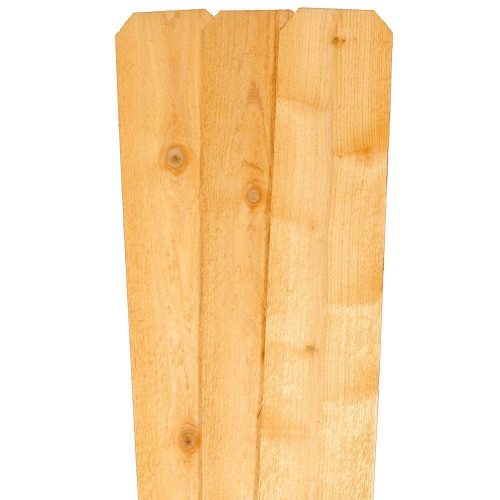
Cedar: It’s difficult to classify cedar because carpenters apply the name to over a dozen species of both hard and softwoods. As such, a cedar plank you get from one supplier may not even come from the same type of tree as the wood you get from another.
Still, there are some commonalities between the various types of cedar, including:
- Its low weight makes the wood easier to work with than many others.
- Reddish-brown coloring in most cases, though you can get white and yellow cedar.
- A lingering, though pleasant, scent accompanies cedar wood.
- Resistance to common woodworking issues, such as pests and rot, comes naturally rather than via chemicals.
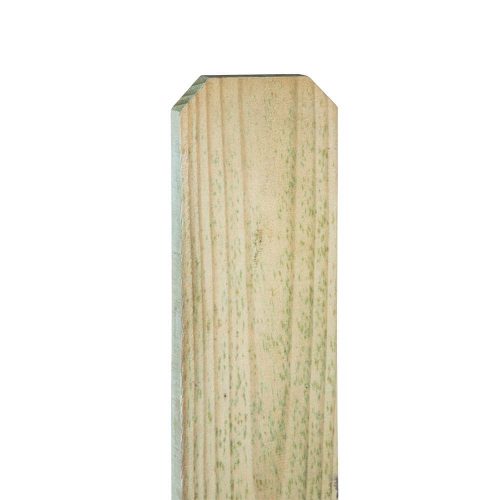
Pine: Pine is an evergreen wood that originally grew in the northern hemisphere. However, its strength and workability led to an explosion in popularity. Combine this popularity with the wood’s ability to grow in a wide range of conditions, and it’s easy to see why you can now find pine all over the world. As softwood trees, pine trees usually grow faster than their hardwood cousins. This fast growth is another reason for pine’s popularity because it guarantees a steady and constantly replenishing supply.
Cost: Pine is the more budget-friendly option. Pressure-treated pine offers a reasonable price point, making it a good choice for cost-conscious homeowners. Cedar, on the other hand, is a premium wood with a higher upfront cost. Pine’s availability places it as the clear winner when comparing initial expenses. Pine costs between $9 and $24 per linear foot, depending on your supplier. Cedar has a higher starting price of $20 per linear foot, which can rise to $35 based on the type of cedar you use.
Durability: Cedar reigns supreme in terms of longevity. Naturally resistant to rot and insects, cedar fences can last for decades with minimal maintenance. Pine is susceptible to weather damage and requires regular staining or sealing to maintain its lifespan.
Maintenance: Cedar wins again for low maintenance needs. Its natural oils repel insects and moisture, so you can enjoy its beauty for years without constant upkeep. Pine requires regular staining or sealing to protect it from the elements, adding an ongoing chore to your list.
Appearance: Here’s where it comes down to preference. Pine has a light yellow color that can be painted or stained to match your style. Cedar boasts a rich, reddish-brown hue that weathers to a beautiful silver over time.
Climate: Cedar performs well in both dry and humid climates. Pine, however, may be prone to warping or rotting in areas with high humidity.
Here’s a quick comparison table to summarize the key points:
| Feature | Pine | Cedar |
|---|---|---|
| Cost | Affordable | More Expensive |
| Durability | Lower | Higher |
| Maintenance | High (requires regular staining/sealing) | Low |
| Appearance | Light yellow (can be painted or stained) | Reddish-brown (weathers to silver) |
| Climate | Better for drier climates | Works well in most climates |
drive_spreadsheetExport to Sheets
The Verdict?
The best choice for you depends on your priorities. Pine is ideal if you’re on a budget and don’t mind putting in some maintenance work. Cedar is the clear winner for durability, low maintenance, and a naturally beautiful aesthetic, though it comes at a higher cost.
Bonus Tip: Consider combining pine and cedar for the best of both worlds. Use pressure-treated pine for fence posts (which have better ground contact resistance) and cedar for the fence panels for a balance of affordability and beauty.
Discover more from Cheaper Fence
Subscribe to get the latest posts sent to your email.

