

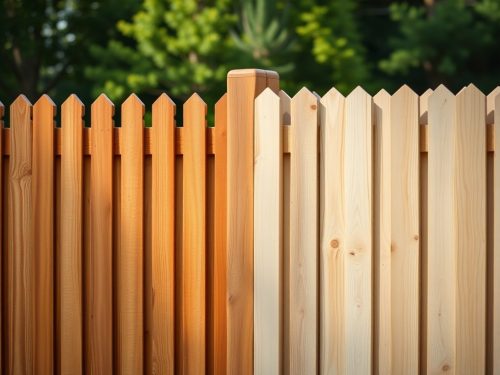
When planning to build a privacy fence, one of the most important decisions you’ll make is choosing the right material for your picket. Among the most popular options are Cedar and Pressure Treated Pine. Both materials are commonly used for fences, but each has its own unique characteristics, advantages, and considerations. In this blog, we’ll compare Cedar and Pressure Treated Pine pickets to help you decide which is the better option for your privacy fence based on factors like durability, maintenance, price, and aesthetic appeal.
1. Durability and Longevity
- Cedar Picket: Cedar is naturally resistant to moisture, rot, and insect damage, making it a great choice for a long-lasting privacy fence. With proper care, a cedar fence can last up to 20 to 30 years. It’s ideal for areas with high humidity or wet conditions, as it’s less likely to warp, crack, or splinter over time compared to other woods. Cedar’s natural oils also help it resist mold and mildew growth, which means less worry about deterioration over the years.
- Pressure Treated Pine Picket: Pressure treated pine is also a durable option, but it requires more maintenance over time to maintain its strength. The treatment helps the wood resist rot and insect damage, but it’s not immune to the effects of moisture or weathering. Typically, pressure-treated pine lasts about 10 to 15 years with proper care. However, without regular sealing or staining, it’s more likely to suffer from issues like warping or cracking.
Verdict: If you want a long-lasting fence with minimal maintenance, Cedar is the better choice. However, if you’re looking for a more affordable option with decent durability, Pressure Treated Pine is still a viable option, though it may require more upkeep.

2. Maintenance Requirements
- Cedar Picket: Cedar requires minimal maintenance to stay in good shape. It’s naturally resistant to most environmental damage, so you won’t have to worry about frequent treatments or sealants. A good cleaning once a year and occasional re-staining or sealing every 3 to 5 years is usually sufficient to maintain its appearance and durability. Cedar’s natural weathering process (aging to a silver-gray color) is also quite attractive to many homeowners, eliminating the need for painting or staining if you like that look.
- Pressure Treated Pine Picket: Pressure-treated pine requires more active maintenance. To keep it resistant to decay and insect damage, it needs to be sealed or stained regularly—typically every 2 to 3 years. If left untreated, pressure-treated wood can absorb moisture, leading to warping, splitting, and mold growth. Regular maintenance will help prolong its life, but it’s a more involved process compared to cedar.
Verdict: Cedar is the better option if you want a low-maintenance fence that requires less attention over time. Pressure Treated Pine will need more regular care to keep it in top condition.
3. Aesthetic Appeal
- Cedar Picket: Cedar is widely recognized for its beauty. It has a rich, reddish-brown hue that can complement many outdoor settings. As cedar ages, it develops a desirable silver-gray patina, which many homeowners appreciate. Its natural grain patterns and color variations add character to your fence, making it a standout feature in your yard.
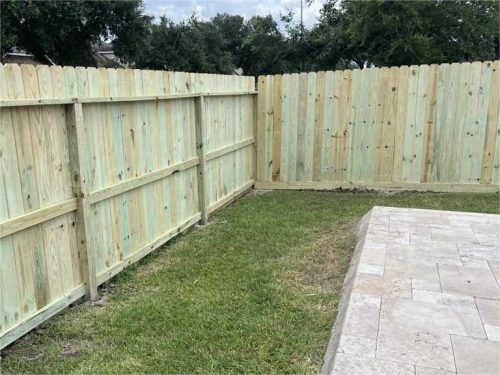
- Pressure Treated Pine Picket: Pressure treated pine, by contrast, has a more uniform appearance and a lighter color, usually pale yellow or brown. It’s less visually striking than cedar, but you can stain or paint it to achieve the desired color or finish. Pressure treated pine doesn’t naturally age as gracefully as cedar, and it can turn a dull gray if left untreated.
Verdict: If you’re looking for a beautiful and natural appearance, Cedar is the better choice. If you’re willing to paint or stain your fence to achieve a customized look, Pressure Treated Pine can also work.
4. Price Difference
- Cedar Picket: Cedar is a premium wood, which means it’s generally more expensive than pressure-treated pine. The cost of cedar can vary depending on your location and the specific type of cedar, but on average, cedar pickets tend to be about 30-50% more expensive than pressure-treated pine. However, the price reflects its longer lifespan and lower maintenance needs.
- Pressure Treated Pine Picket: Pressure-treated pine is one of the most affordable options for building a fence. While prices can vary based on location, pressure-treated pine is generally significantly cheaper than cedar. It’s a great choice if you’re working with a tight budget or need to build a large fence.
Verdict: Pressure Treated Pine is the more budget-friendly option if you need to keep costs down. If you’re willing to spend more upfront for a fence that requires less maintenance in the long run, Cedar is worth the investment.
5. Environmental Impact
- Cedar Picket: Cedar is a renewable resource, especially when sourced from sustainably managed forests. It is biodegradable and has a relatively lower environmental impact compared to chemically treated woods. However, cedar’s higher price point can sometimes be associated with its scarcity in certain regions.
- Pressure Treated Pine Picket: The chemical treatment used to preserve pressure-treated pine wood involves the use of preservatives like copper and chromium, which can have environmental implications. Although treated pine is durable and effective at preventing decay, it does raise concerns about the use of toxic chemicals, especially during the disposal of treated wood.
Verdict: Cedar is the more environmentally friendly option if sustainability is a key factor for you. However, Pressure Treated Pine can still be a good choice if treated responsibly.
Conclusion
Both Cedar and Pressure Treated Pine offer distinct advantages for building a privacy fence, but the right choice depends on your specific needs and priorities.
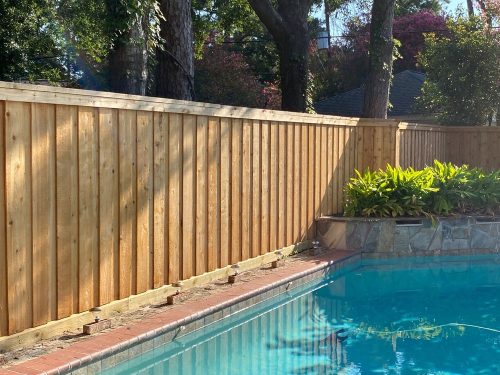
- Choose Cedar if you want a long-lasting, low-maintenance, and aesthetically pleasing fence with natural resistance to the elements. It’s a great option for those who want a fence that will age beautifully and require minimal upkeep over time.
- Choose Pressure Treated Pine if you’re working with a tight budget or need a more affordable fencing option. It’s a great choice if you’re willing to put in the time and effort for regular maintenance and don’t mind staining or sealing your fence periodically.
Ultimately, the decision comes down to your budget, the level of maintenance you’re prepared to do, and your aesthetic preferences. Both materials can create a functional and attractive privacy fence, but understanding the differences will help you make the best choice for your yard.
Visit cheaperfence.com for a wide selection of high-quality fencing materials, including both cedar and pressure-treated pine, to help you get started on your perfect privacy fence!
Discover more from Cheaper Fence
Subscribe to get the latest posts sent to your email.

