


When it comes to enhancing your property’s curb appeal, wood gates are an attractive option that can seamlessly complement your fencing. However, choosing and maintaining the right wood gate comes with its own set of challenges. In this post, we’ll explore these challenges and share effective solutions to ensure your wood gate stands the test of time.
The Challenges of Wood Gates
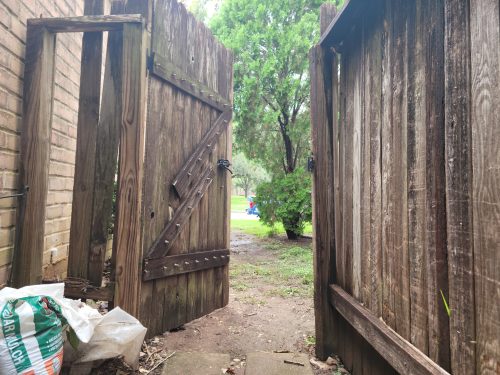
While a well-constructed wood fence can last 10-20 years with minimal maintenance, the gate is often the first component to show signs of wear. A fully wooden gate, with its rails and diagonal bracing, is especially susceptible to sagging over time. This issue arises primarily due to the soft nature of common fence woods, like red cedar. Although cedar is resistant to decay, its softness can lead to bolts pulling through the wood, causing misalignment and weakening the structure.
Common Issues:
- Sagging: Over time, weight and environmental factors can cause the gate to sag, making it difficult to operate.
- Hinge Failures: Inadequate support from hinges can result in the bolts pulling out, especially in softer woods.
- Wear and Tear: Exposure to the elements can lead to warping and rotting if not properly maintained.
Our Approach to Building Durable Wood Gates
At our company, we take pride in constructing wood gates that not only look great but are built to last. Here’s how we tackle the challenges associated with wood gates:
1. Robust Framework
We use 2 x 4 frameworks for our gates, with ship-lapped joints bolted with galvanized carriage bolts. This method not only strengthens the gate but also enhances its aesthetic appeal. For gates between 5 to 7 feet high, we incorporate three horizontal rails; for shorter gates, we use two.
2. Reinforced Corners
Each corner is meticulously routed to ensure that the intersecting rails lie flush, and we install two bolts at each junction. This attention to detail minimizes the risk of sagging and ensures a neat, crafted appearance.
3. Diagonal Bracing
To further combat sagging, we add a diagonal brace made from 1 x 4 cedar or a suitable matching piece. This brace is routed into the frame for a clean connection and is secured with two bolts per connection. For three-rail gates, this diagonal brace also connects to the center rail.
4. Secure Hinges
One of the most critical aspects of gate construction is the hinges. We emphasize using long bolts to secure the hinges to the posts or fence. Standard hinge sets often provide bolts that are too short, which can lead to eventual failures. Our approach ensures that the bolts pass through both the pickets and rails, providing a secure and lasting hold.
5. Ongoing Maintenance
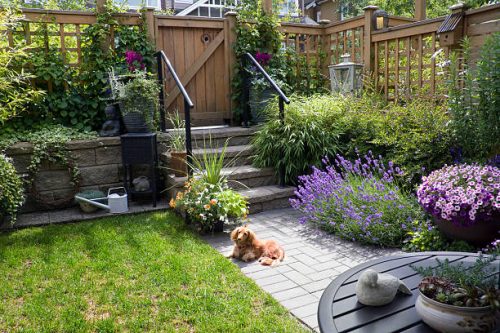
Regular maintenance, including staining and inspecting for wear, is crucial. Addressing minor issues promptly can prevent larger problems down the line.
Conclusion
Investing in a quality wood gate doesn’t just enhance your property’s aesthetic; it also requires thoughtful construction and ongoing maintenance to ensure longevity. By addressing the common challenges of wood gates through robust construction methods and careful attention to detail, you can enjoy a beautiful and functional gate for many years to come.
Whether you’re considering a new installation or looking to upgrade your existing gate, remember that the right choices today can save you time, effort, and expense in the future. If you have any questions or need assistance with your wood gate project, feel free to reach out to us!
Discover more from Cheaper Fence
Subscribe to get the latest posts sent to your email.

