

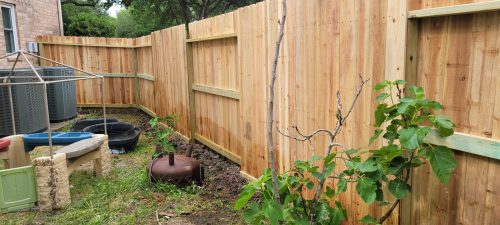
A boundary fence helps define where one yard ends and another begins. It provides privacy, safety for children and pets, and even reduces noise. But when that shared fence is damaged or worn down, it can lead to stress — or even disputes — between neighbors.
This guide will help Texas homeowners understand who’s responsible for fence repairs, how to approach the situation, and when to involve professionals like CheaperFence. With clear steps and friendly communication, you can protect your property and your neighborly relationships.
Why Fence Repair Matters
A well-maintained fence:
- Keeps pets and kids safe inside the yard
- Increases privacy and reduces noise
- Improves curb appeal and property value
- Prevents trespassers from entering
- Maintains good relationships between neighbors
Neglecting repairs can result in safety issues, legal problems, or even property devaluation. Taking quick action and working with your neighbor is key.
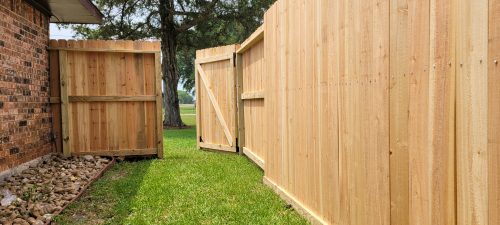
Who Is Responsible for Fence Repair in Texas?
Texas is a “fence-out” state, which means property owners are responsible for keeping unwanted animals out of their land. When a fence lies on the property line, it’s often considered a “boundary fence” or “good neighbor fence.”
Here’s how responsibility typically breaks down:
- Fence on the property line: Neighbors can share the cost, but only if both agree in writing.
- Fence entirely on one property: That property owner is responsible for repairs.
- No written agreement? Legally, you can’t force your neighbor to pay — cooperation is voluntary.
So if the fence sits on the boundary, it’s best to communicate early and respectfully to work out an agreement.
Step-by-Step Guide to Fence Repair Between Neighbors
1. Find Your Property Lines
Before discussing repairs, confirm where the fence sits:
- Check your deed or plat map
- Hire a surveyor if there’s disagreement
- Talk with your neighbor and compare records
Knowing the boundary helps determine ownership and repair responsibility.
2. Inspect the Damage
Walk along the fence and look for:
- Leaning or broken posts
- Rotting wood
- Missing or cracked boards
- Rust or storm damage
Take photos with a date stamp to document the condition.
3. Review Local Fence Rules
Texas cities (like Fort Worth or Houston) often have rules on:
- Fence height
- Setbacks from property lines
- Materials and aesthetics
- Whether permits are required
Check your city or county building office to stay compliant.
4. Check Your Homeowners Insurance
Insurance may cover fence damage from:
- Storms
- Fire
- Vandalism
However, it likely won’t cover age-related wear and tear. Know your deductible, and coordinate with your neighbor if you both want to file.
5. Talk to Your Neighbor
Good communication solves most fence problems. Tips:
- Be polite and non-confrontational
- Share documentation and photos
- Offer a fair cost-splitting proposal
- Put any agreement in writing
If both sides benefit from the fence, a 50/50 split is typical. But if one side uses the fence more (for a garden or pool, for example), they may agree to cover more of the cost.
When to Hire a Professional
DIY works for small fixes, but a professional is better when:
- The damage is extensive
- Posts need resetting
- The fence must meet code or pass inspection
- The ground is uneven or rocky
- A shared cost requires a neutral, fair contractor
CheaperFence provides professional estimates, high-quality materials, and code-compliant installations. We make it easy to agree on a fair repair plan.
Writing a Fence Agreement
Avoid future conflict with a simple written note. Include:
- Fence location (based on survey or deed)
- Who pays what percentage
- Timeline for repair or replacement
- Who will hire and supervise the contractor
- Maintenance responsibilities
- Signatures and dates from both neighbors
This protects everyone — and helps if either home is sold later.

Repair vs. Replace: What’s Best?
Sometimes it’s smarter to invest in a new fence rather than patching the old one.
Repair if:
- Only a few boards or posts are damaged
- The structure is still stable
- Cost is low
Replace if:
- Wood is rotting throughout
- Fence is leaning or falling
- Repairs cost nearly as much as a new fence
CheaperFence can provide estimates for both options to help you choose wisely.
Fast Fixes for Urgent Fence Issues
If pets are escaping or safety is at risk:
- Brace leaning sections with stakes or zip ties
- Cover holes with mesh or boards
- Remove sharp or broken parts
- Let your neighbor know, and plan full repairs soon
Temporary fixes are just that — plan for a permanent solution quickly.
Fence Maintenance Tips
Regular care prevents costly repairs:
- Walk the fence once a year to check condition
- Clean off leaves and vines
- Reseal or repaint wood every 2–3 years
- Tighten or replace rusty nails and screws
- Trim grass and shrubs away from the base
- Make sure posts stay upright and stable
Neighbors can agree to share seasonal fence maintenance as part of their agreement.
Conclusion: Strong Fences Make Good Neighbors
Repairing a shared fence doesn’t have to cause stress. With clear facts, polite communication, and help from professionals like CheaperFence, you can get the job done fairly and quickly.
Whether you’re in Fort Worth, Houston, or elsewhere in Texas, always:
- Confirm property lines
- Communicate clearly
- Follow local regulations
- Put agreements in writing
- Maintain your fence regularly
Need help figuring out who’s responsible for fence repair or getting a quote?
Call CheaperFence at (832) 224-5699 or visit CheaperFence.com today.
Discover more from CheaperFence
Subscribe to get the latest posts sent to your email.

